
Drilling in the North Sea presents unique challenges due to the prevalence of glacial sediments extending to conductor casing depths. These sediments behave more like soils than rocks—poorly cemented, poorly sorted (with grain sizes from silt to gravel), and lacking the consolidation that comes with deeper burial. This combination of low strength and high mobility has historically led to difficult drilling conditions and frequent re-spudding of wells.
An additional problem is the reliance on powder (bentonite) bulks for viscosity. As all the pumped fluid are discharged to the seabed, high circulating rates have dictated pumping seawater, and viscous mud sweeps while drilling. The function of the sweeps is to remove drilled sediment and build a filter cake. This is to prevent the bore hole walls collapsing before the casing is run and cemented. Bentonite has been the product of choice for these displacement fluids since the early days of offshore drilling. However, it has regularly proven to be insufficient to prevent borehole enlargement and collapse.
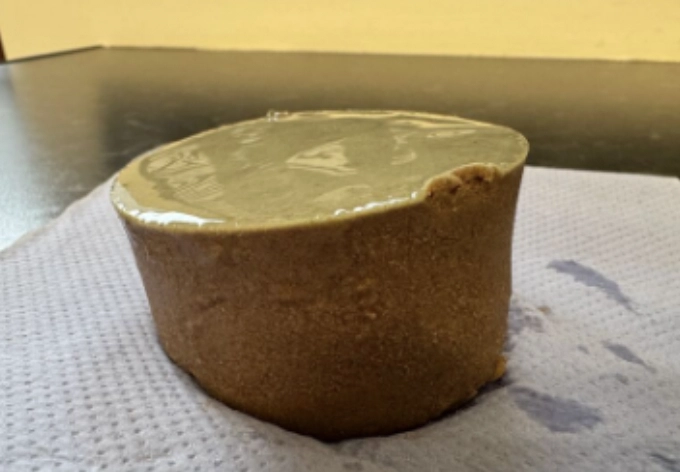
Clear Solution’s research focused on a combination of a weighted Pure-Bore fluid, that builds an impermeable filter cake on fine to coarse sized sandy sediments. The resulting filter cake can withstand an overbalance of up to 100psi with low solids fluids without increasing filtration permeability. With such a filter cake in place, surge pressures while running a large diameter casing are prevented from pressuring up sand bodies which might then flow back into the wellbore when the pressure is released, or a swab pressure is initiated.
To date Pure-Bore top hole fluids have been used on several North Sea wells and have contributed to preventing Non-Productive Time from previously unstable sand sections. As well as improving hole condition, the Pure-Bore fluid has eliminated the need for drill water supply, reduced bentonite bulk requirements by 70 % and reduced ship to shore waste volumes from two large diameter well bores.